Successful first BOBST PACKAGING MASTERCLASS provides brand owners with vital insights about the future of packaging production – 2020 edition planned.
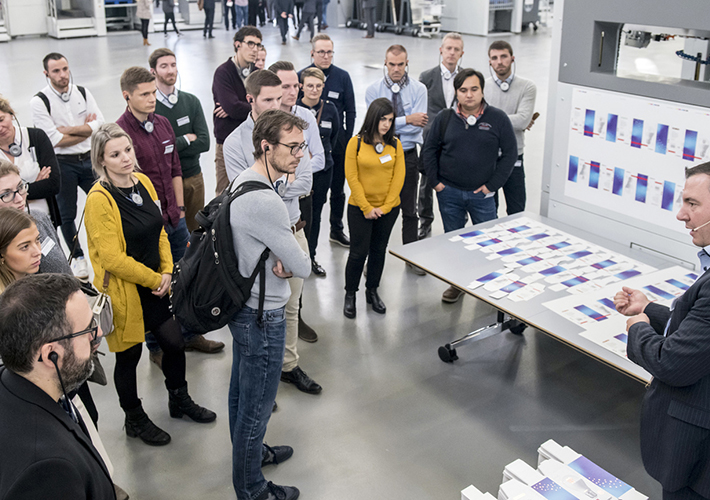
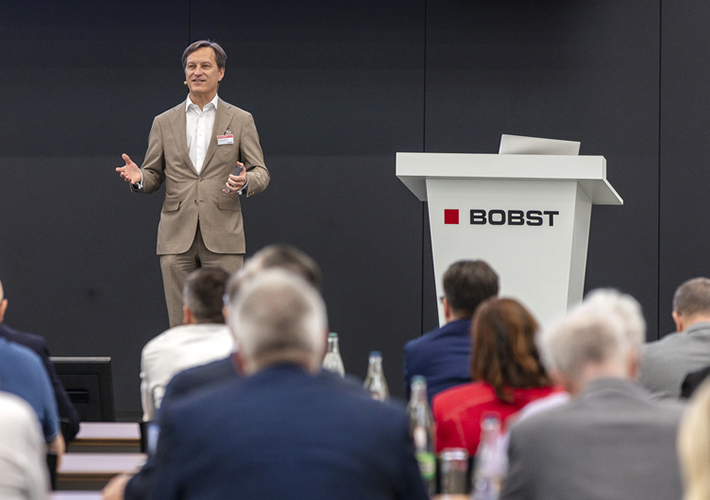
BOBST opened the doors of its headquarters near Lausanne, Switzerland last November to over 100 brand owners for its first Packaging MASTERCLASS.
The aim of the event was to present in one day, a high-level and non-commercial overview of the technologies available for packaging production and identify how brand owners can achieve today’s essential requirements of agility, differentiation and sustainability. The feedback from participants was overwhelmingly positive with many saying the event exceeded their expectations with the intense but valuable mix of theoretical and practical content. Based on this response, BOBST has decided to run the MASTERCLASS again this year, on October 28th 2020.
“The role of packaging is changing faster than ever before, and the way brands design, pack and distribute products is constantly evolving,” said Paul Stoudmann, Program Director for the MASTERCLASS at BOBST. “BOBST has been a pioneer in packaging innovation for decades and we pride ourselves in understanding the market and our customers’ challenges and needs, and finding solutions for these.”
“BOBST is the packaging industry reference and since it is able to offer the complete spectrum of packaging processes and technologies, we have the benefit of being neutral in this scenario - not pushing one technology over another perhaps superior one. And since we are neither supplier, customer or competitor to brand owners, our conversations tend to be open and constructive,” says Stoudmann. “That’s why we felt that brand owners could gain a lot from this type of event, understanding the technology so as to find the most appropriate solutions for their needs. Ultimately it is their names on the packaging, and so it is important that they are in the driver’s seat, so to speak.”
Over 100 delegates travelled from a dozen countries, representing a good mix of mid to top-level managers working in a variety of different departments and roles and with varying levels of experience: procurement, marketing, brand management, R&D, new to the job or new employees dealing directly or indirectly with packaging.
They had the opportunity to interact with experts in the fields of printing and converting – both digital and conventional – for labels, flexible packaging, folding carton and corrugated boxes. The day was divided into three parts: short plenary sessions, deep-dive breakout sessions, and machine demonstrations.